A Generational Shift in Colorado Politics: Progressive Wins Signal Change
In an unexpected turn of events, Colorado’s political landscape experienced a seismic shift with significant losses for established figures. State Attorney General Phil Wiser clinched a surprising victory over Senator Michael Bennet in the Democratic primary for governor, signaling a demand for change from the electorate. This shift aligns with a broader trend across the country where candidates championing progressive ideals are emerging victorious in local campaigns.
Wiser’s campaign effectively resonated with voters, addressing a palpable need for leaders who genuinely care about their constituents. “People want to know that they’re electing someone who’s in this work to fight for them,” he stated, emphasizing the campaign’s core commitment to connecting with the community. His triumph represents a break from the past, overcoming numerous negative ads and overwhelming noise in the electoral landscape.
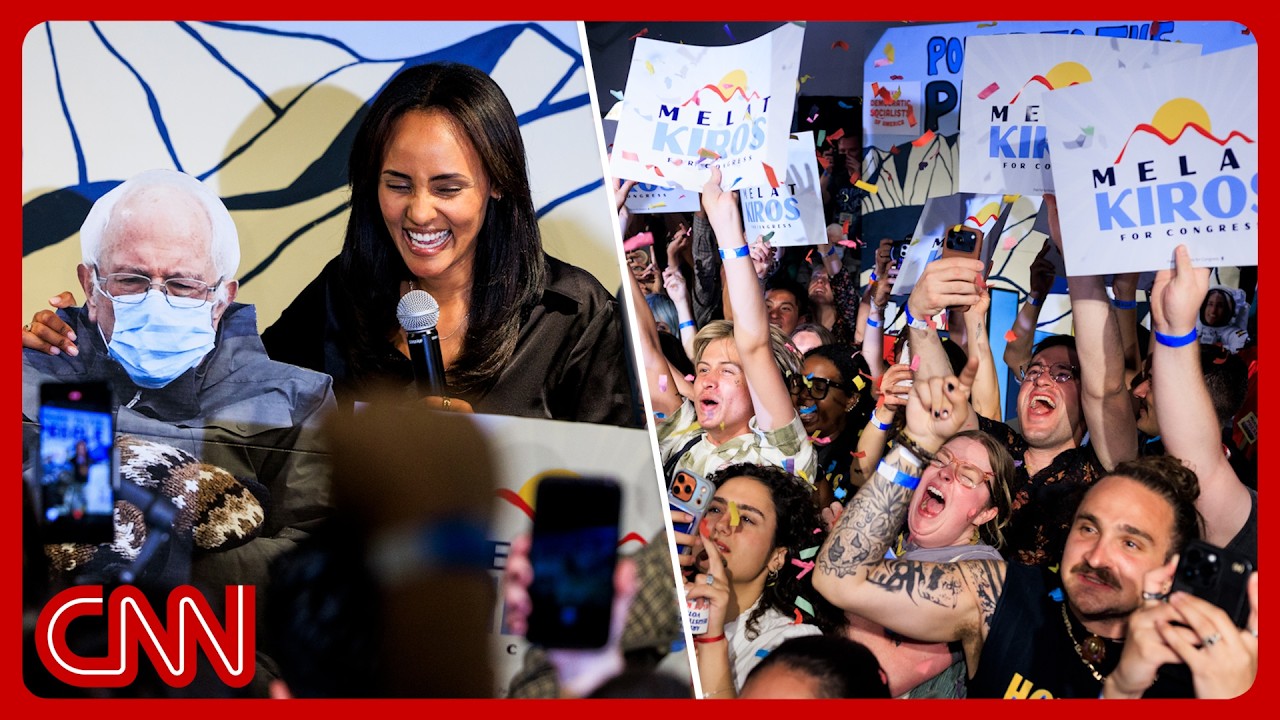
The message of hope and change didn’t stop with Wiser. Chiaro, a candidate embodying democratic socialism, upset nearly 30-year incumbent Congresswoman Diana DeGette, further showcasing a shift towards more radical Leftist ideals. Chiaro’s win exemplifies a generational change, underscoring the desire for candidates who address contemporary issues with urgency and principles rooted in equity. “We believe that fundamental change can and will happen if we fight for it,” she remarked, voicing an ideology that resonates across a disenchanted base.
Earlier this year, tensions within the Democratic National Committee (DNC) hinted at a fracture that some predicted could splinter the party. Figures like David Hogg signaled their dissatisfaction with traditional party dynamics, advocating for a new approach to campaigning. As various factions emerged, the Justice Democrats began to recruit candidates aligned with progressive values, dramatically shifting the electoral equation.
This shift has immediate implications. A slew of victories for progressive candidates, particularly in pivotal districts across New York, California, and Texas, suggests that dissatisfaction with mainstream Democratic leadership is more widespread than previously thought. Many Democratic voters reported feeling unrepresented during the last presidential campaign, igniting a passion for candidates who genuinely reflect their views.
In solidarity with progressive candidates, issues such as U.S. support for Israel have spurred heated debates. As candidates like Chiaro openly criticize traditional approaches, their stance reflects a pivot seen in other races as well. “I won’t flinch in standing against the genocide in Palestine,” Chiaro stated, a sentiment that resonates deeply within certain voter demographics who yearn for a substantive shift in policy.
This generational and ideological conversation is reshaping the Democratic Party, highlighting both outrage and hope for change. Candidates are positioning themselves as challengers to the status quo in response to voter frustration. However, there’s an implicit need for balance; while bold rhetoric inspires, capability in governance is paramount.
The dynamic is not one-sided, as the Republican Party grapples with its own identity crisis in response to the increased vigor of progressive candidates. Figures from the conservative side often seem disconnected, leading to skepticism about traditional values and approaches. This environment fosters a space where radical ideologies could flourish, potentially reshaping the landscape of both parties.
As discussions unfold, Mark Preston, a CNN senior political analyst, emphasized that this trend is not merely coincidental but indicative of a profound transformation within the Democratic Party. “The progressive wing is pushing back against the establishment,” he noted, revealing a palpable shift in energy that seems to prioritize youth and proactive governance over established norms.
Overall, the primary victories in Colorado illustrate a clear desire for change among voters. They want leaders who are willing to tackle pressing issues head-on, championing values that resonate with a broader base. As more incumbents are challenged, the battle lines within the Democratic Party are becoming clearer, signaling a potential realignment that could redefine the political landscape in Colorado and beyond. Whether this holds in the long term remains to be seen, but one thing is clear: the call for a new direction is echoing louder than ever.